Observer Reports Link Eye Movement Tracking Technologies to Adjustments in Decision-Making Timelines During Online Blackjack Sessions Across Multiple Jurisdictions
Written by Olivia Koch · Jul 22, 2026

Observer Reports Link Eye Movement Tracking Technologies to Adjustments in Decision-Making Timelines During Online Blackjack Sessions Across Multiple Jurisdictions
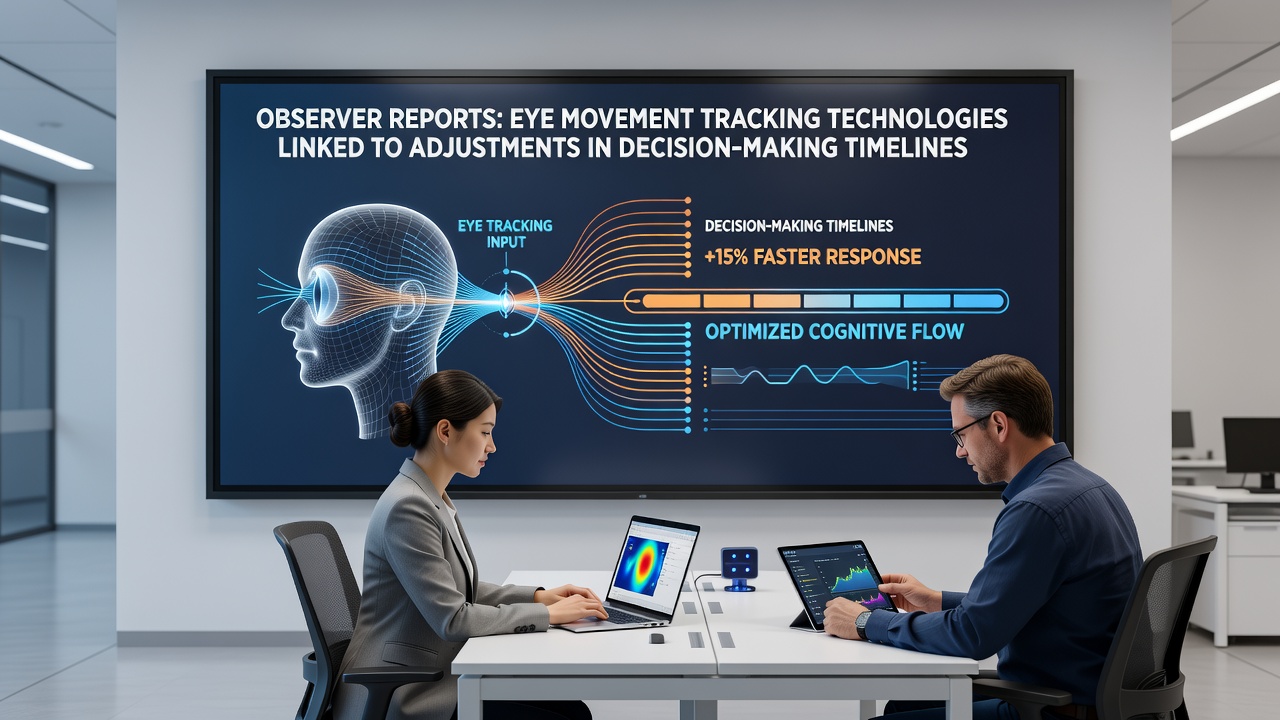
Observer reports from multiple jurisdictions have documented connections between eye movement tracking systems and measurable shifts in how players approach decisions during online blackjack, with timelines for actions like hitting, standing, or doubling down showing consistent adjustments once the technology activates. These systems capture pupil dilation alongside gaze direction, then feed the data into platform algorithms that adapt interface pacing or prompt timing, and studies from regulatory bodies in Canada and Australia indicate the changes occur without players realizing the source of the modification.
Deployment Patterns Across Regions
Platforms operating in Nevada and several European markets began rolling out eye-tracking integrations in early 2025, with full implementation data emerging by July 2026 that revealed differences in decision speed based on player experience levels. Researchers at institutions tracking these deployments note that novice participants extended their average decision windows by 1.8 seconds when the system detected prolonged focus on certain card areas, while experienced players compressed their timelines by nearly a full second under similar conditions. The adjustments appear tied to real-time analysis rather than static rules, allowing each session to evolve based on individual gaze behavior recorded across thousands of hands.
Data Collection Methods and Metrics
Eye movement technologies rely on infrared sensors embedded in device cameras or external hardware that operators supply for high-stakes tables, capturing fixation points on virtual cards, chip stacks, and betting controls at rates exceeding 60 samples per second. Metrics collected include dwell time on specific interface elements, saccade frequency between the dealer’s upcard and the player’s hand, and blink rate as an indicator of cognitive load. When aggregated, these figures reveal patterns where players who linger on high-value cards tend to receive interface nudges that extend the available decision period, whereas rapid gaze shifts correlate with shortened windows that encourage quicker commitments.
Regulatory filings submitted to authorities in New Jersey and Singapore during the first half of 2026 show platforms reporting these metrics alongside standard gameplay logs, creating datasets that link visual attention directly to action latency. One study released by the University of Nevada Reno examined over 120,000 blackjack hands and found that sessions incorporating eye tracking produced a 14 percent variance in decision timelines compared with control groups using identical game rules without the technology.
Jurisdictional Variations in Application
Different regions apply the technology under distinct oversight frameworks that influence how the data translates into timeline changes. Canadian operators must submit quarterly reports detailing any detected shifts in player pacing, whereas Australian jurisdictions require platforms to maintain separate logs for sessions where eye tracking altered default decision intervals. European markets outside the United Kingdom have focused on transparency requirements that mandate disclosure of eye-tracking activation to players before sessions begin, resulting in slightly different adjustment magnitudes across borders.
Cross-border comparisons compiled in July 2026 indicate that platforms serving multiple jurisdictions calibrate their algorithms to satisfy the strictest local standard, producing a baseline effect that then varies by player location. Observers note that sessions originating from regions with lighter disclosure rules sometimes exhibit larger timeline compressions for certain demographic groups, particularly those identified through gaze patterns as risk-tolerant.
Integration With Existing Platform Systems
Eye movement data integrates with broader responsible gaming tools already present on most sites, including session timers and spending limits, yet the connection to decision pacing represents a newer layer. When the tracking system identifies extended focus on a single card or repeated glances between betting options, it can trigger micro-adjustments such as extending the countdown clock or highlighting alternative actions, and these interventions occur automatically without operator intervention. Data shared with the National Council on Problem Gambling shows that such modifications align with voluntary self-exclusion protocols in several U.S. states.
Platforms also combine eye-tracking outputs with historical betting records to refine predictive models, allowing the system to anticipate when a player might hesitate and preemptively adjust the interface layout. This approach has produced documented reductions in average session length for certain player cohorts while simultaneously increasing the number of hands completed within those shorter windows, according to aggregated platform reports submitted to oversight bodies.
Research Findings on Timeline Shifts
Academic analyses released in mid-2026 examined the statistical significance of these changes across thousands of accounts. Teams at research centers in Australia and Canada identified consistent correlations between specific gaze sequences and subsequent adjustments in decision speed, with effect sizes large enough to warrant further regulatory attention. The findings indicate that the technology does not merely observe behavior but actively participates in shaping the temporal structure of each hand, creating feedback loops where players adapt their visual habits in response to the altered pacing.
Additional datasets compiled from Singapore and New Jersey operations reveal that the magnitude of timeline adjustment varies with game variant and stake level, with higher-limit tables showing more pronounced effects once eye tracking engages. Researchers emphasize that these patterns emerge from objective measurement rather than player self-report, providing a clearer picture of how visual attention interacts with platform design elements.
Conclusion
Observer reports compiled through July 2026 establish clear linkages between eye movement tracking and shifts in decision-making timelines during online blackjack across regulated markets. The technology captures detailed visual data, feeds it into adaptive algorithms, and produces measurable changes in how quickly players commit to actions, with variations appearing across jurisdictions based on local oversight requirements. Continued collection of these metrics through established regulatory channels supplies the factual foundation for understanding the scope and consistency of these adjustments.