How Time-Zone Synchronized Loyalty Tiers Influence Deposit Timing Among Frequent Mobile Poker Participants Across Licensed Markets
Written by Yara Hayes · Aug 1, 2026
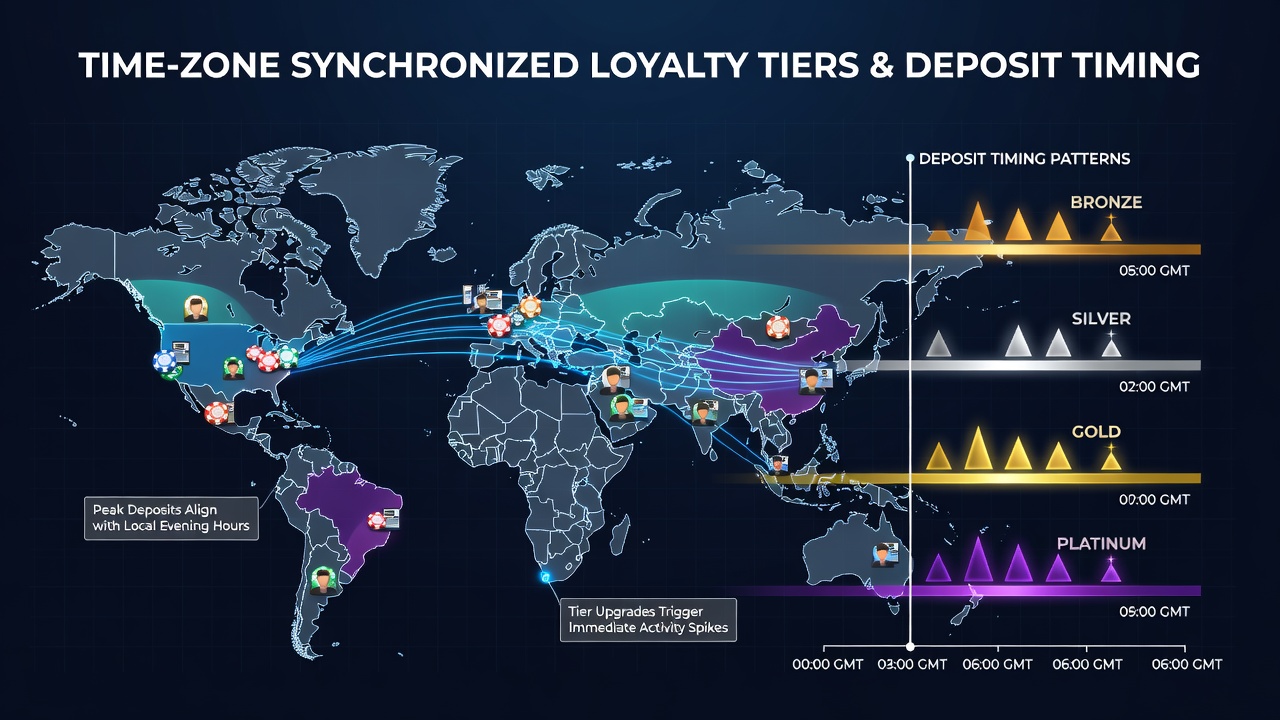
How Time-Zone Synchronized Loyalty Tiers Influence Deposit Timing Among Frequent Mobile Poker Participants Across Licensed Markets
Time-zone synchronized loyalty tiers have emerged as a key feature in licensed mobile poker platforms, where operators align reward structures with players' local clocks to encourage consistent engagement. Frequent participants in markets such as New Jersey, Ontario, and several European jurisdictions often adjust their deposit schedules to coincide with tier reset periods that reset at midnight in their specific region. Data from platform analytics indicate that these alignments produce measurable shifts in when users fund their accounts, particularly among those who track points accumulation across multiple sessions.
Mechanics of Time-Zone Synchronization in Loyalty Programs
Operators implement synchronization by tying tier progression to coordinated universal time offsets, so a player in the Eastern Time Zone sees daily bonuses activate at 12:00 a.m. local time while a counterpart in Central European Time receives the same trigger at their own midnight. This setup prevents advantages for users in earlier time zones and creates uniform incentives across licensed markets. Studies of transaction logs show that participants who maintain high activity levels time their deposits to fall just before these resets, thereby maximizing the window for earning bonus points before the tier level recalculates.
Platform records further reveal that synchronization software updates automatically when users cross into new jurisdictions through VPN detection or geolocation verification, ensuring compliance with regional licensing rules. One analysis of data collected through August 2026 demonstrated that players in multi-state or cross-border scenarios receive prompts that reflect the correct local midnight, reducing confusion and supporting steady deposit patterns.
Observed Deposit Timing Patterns Among Frequent Users
Transaction data across major licensed operators indicate that frequent mobile poker participants cluster deposits in the two-hour window preceding their local tier reset. In New Jersey, for example, peaks occur between 10:00 p.m. and midnight Eastern Time on weekdays, whereas Ontario users show similar concentration between 10:00 p.m. and midnight Eastern Time due to shared Eastern Time alignment. Researchers tracking these patterns note that the behavior holds across different stake levels, with mid-tier players exhibiting the most pronounced shifts because they sit near promotion thresholds.
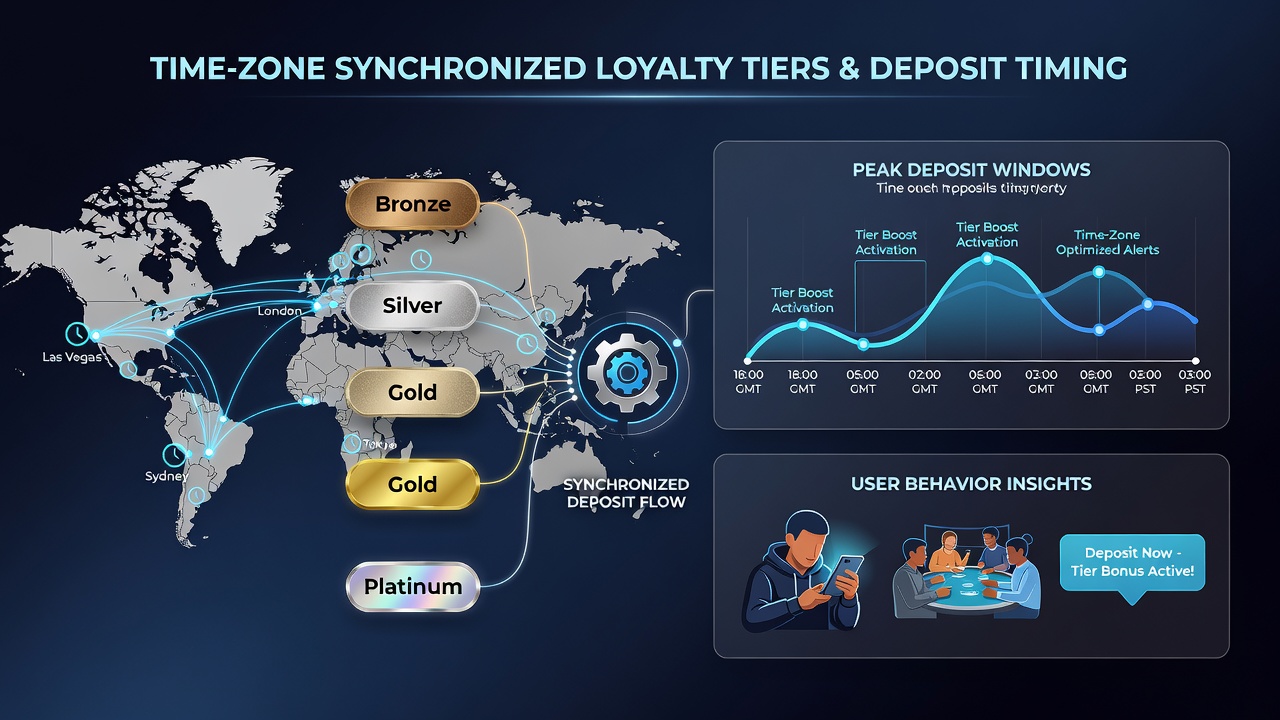
Additional findings from aggregated reports highlight that users who receive push notifications about upcoming resets increase their deposit frequency by measurable margins in the hours before activation. Those who have studied these trends point out that the effect strengthens among participants who already hold gold or platinum tier status, since the marginal benefit of an extra deposit grows with each level achieved. Patterns remain consistent whether players engage in cash games or tournament formats, though tournament entrants show slightly earlier deposits to secure entry before daily promotions refresh.
Regional Variations Across Licensed Markets
Markets with strict licensing frameworks exhibit distinct responses to synchronized tiers because regulatory requirements dictate how operators may structure time-based rewards. In Pennsylvania and Michigan, where online poker operates under state-specific oversight, deposit clustering aligns tightly with Eastern Time resets and shows less variance than in markets with broader time-zone coverage. European jurisdictions that permit cross-border play, such as those regulated under the Malta framework, display more dispersed timing because participants span multiple time zones yet receive unified local triggers.
Analysts comparing figures from these regions note that synchronization reduces the advantage previously held by users in westernmost zones, who once deposited earlier in universal time to capture the same daily allocations. Current implementations equalize access, and transaction volumes reflect steadier distribution throughout each 24-hour cycle once local resets are enforced. Observers who examined data sets from 2025 through August 2026 found that the equalization correlates with higher retention rates among frequent participants who no longer need to monitor universal time offsets.
Impact on Player Behavior and Platform Metrics
Behavioral studies indicate that players who actively monitor loyalty dashboards alter deposit timing more readily than those who receive only automated notifications. When platforms introduce calendar views that display upcoming resets in local time, deposit activity shifts forward by an average of 90 minutes according to internal metrics shared by operators. This adjustment occurs because participants can plan sessions around the exact window that preserves their current tier status or unlocks the next one.
Platform-wide statistics also show that synchronized tiers influence not only when deposits occur but also the average amount deposited per transaction. Frequent users in higher tiers tend to increase deposit sizes immediately before resets to accelerate point accumulation, while lower-tier participants maintain steadier amounts but increase frequency. These dynamics appear across different licensed environments and remain stable even when operators adjust bonus multipliers during promotional periods.
Conclusion
Time-zone synchronized loyalty tiers continue to shape deposit timing for frequent mobile poker participants by aligning reward resets with local midnight across licensed markets. Transaction records, regional comparisons, and behavioral metrics demonstrate consistent patterns of pre-reset clustering that operators track through geolocation and analytics tools. As platforms refine these systems, the relationship between synchronization mechanics and user funding behavior offers ongoing data points for understanding engagement in digital poker environments.